
For major manufacturers across New Zealand and Australia, mandatory climate reporting requirements are placing increased focus on Scope 3 emissions within supply chains and waste streams.
According to John Lawrence, ANZ sales manager at Techspan Industrial Printing Systems (TIPS), one often overlooked area is the waste generated through conventional self-adhesive labelling systems.
“Traditional self-adhesive labels generate large volumes of silicone-coated glassine backing paper that typically ends up in landfill. There are also emissions associated with storing, compacting and transporting that waste for recycling purposes,” says Lawrence.
Scope 3 emissions can account for a significant proportion of a company’s total carbon footprint, particularly across manufacturing and logistics operations where packaging, transport and consumables contribute to indirect emissions.
Lawrence says transitioning to linerless labelling systems can help manufacturers reduce waste volumes and lower operational costs.
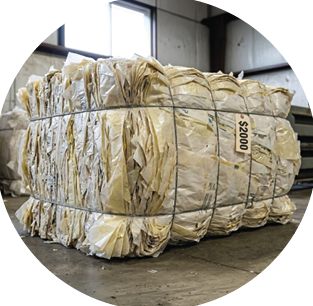
“By removing the backing paper entirely, operations can eliminate a waste stream from the facility while also reducing inbound freight, storage requirements and disposal costs. Some businesses are paying around $2,000 per bale or tonne to dispose of backing paper waste,” he says.
TIPS supplies a linerless labelling ecosystem combining TSC linerless label printers with TSC-certified ZeroLine base material.
Because linerless label rolls do not contain backing paper, they can hold up to 40% more labels per roll compared with conventional label formats. According to TIPS, this can reduce roll changeovers, shipping frequency and storage space requirements.
TIPS also supplies dedicated TSC cleaning kits designed to support printhead life and platen roller performance within linerless printing environments.
Lawrence says manufacturers are increasingly reviewing packaging and labelling processes as part of broader sustainability and compliance programmes.
“As reporting requirements continue evolving, businesses are looking more closely at operational waste streams that were previously considered minor but still contribute to overall emissions and disposal costs,” he says.
Sponsored content: For more information visit www.tsclabelprinters.co.nz/product-category/linerless/.