
Integrated automation reshapes cold chain operations
Cold and frozen supply chains remain among the most operationally demanding parts of the logistics sector, particularly in New Zealand where food exports, agriculture and temperature-sensitive products play a major role in the economy.
At the same time, operators are facing increasing pressure from rising energy costs, labour shortages, sustainability expectations and the need for greater operational flexibility. As a result, the market is moving beyond conventional refrigerated warehousing toward more integrated and automated cold chain systems.
Toyota Automated Logistics (TAL), formerly Vanderlande’s warehousing business, sees growing opportunity to support New Zealand businesses with next-generation chilled and frozen automation solutions.
“The future of cold chain logistics is no longer just about refrigeration and storage capacity,” says Roald de Groot, director of sales at Toyota Automated Logistics Australia and New Zealand. “It is increasingly about how intelligently you design the complete flow of goods while maintaining an uninterrupted cooling chain from inbound through to dispatch.”
According to TAL, chilled and frozen environments present a range of operational challenges, particularly where manual handling processes remain heavily relied upon.
“Manual processes inside freezer environments are labour intensive, costly and can create variability and safety risks. Automation helps reduce labour exposure to harsh conditions while improving throughput, consistency and traceability.”
Global experience across the broader TAL portfolio has shown the strongest operational outcomes are often achieved when process design, refrigeration systems, building infrastructure and software are developed together as integrated systems rather than separate project components.
The viastore cold and frozen storage references, now part of the TAL portfolio, highlight areas including workflow optimisation, refrigeration efficiency, minimisation of temperature transition zones, intelligent order-picking concepts and software-driven cooling chain monitoring.
For New Zealand operators, TAL says these principles are becoming increasingly relevant as businesses seek to balance operational performance, energy efficiency and long-term scalability.
“What we are increasingly seeing is that many of the long-term operational costs are effectively locked in during the design phase. Once a cold store is operational, changing material flow logic, refrigeration concepts or building interfaces becomes extremely difficult and expensive,” says de Groot.
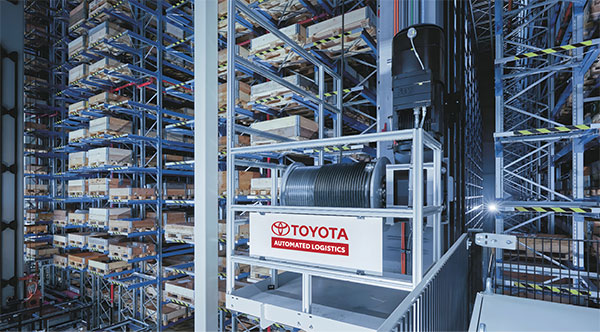
TAL’s role within the market increasingly extends beyond individual equipment supply into broader systems integration. The company supports applications including automated pallet AS/RS systems, shuttle-based storage, pallet conveyor systems, goods-to-person order fulfilment, warehouse control software and integrated chilled and frozen material flow design.
The company says it can support both chilled and deep-freeze applications, including environments operating at temperatures as low as -30°C, across food, pharmaceutical and retail sectors.
Katie Budd says this integrated approach aligns closely with the direction many New Zealand businesses are now taking.
“New Zealand companies are increasingly looking for long-term operational resilience rather than simply short-term capacity increases,” says Budd. “That means looking at energy efficiency, labour sustainability, throughput optimisation and scalability together rather than in isolation.”
Energy efficiency is also becoming a growing focus across cold storage operations. High-density automated storage systems can reduce refrigerated volume requirements, minimise unnecessary movement between temperature zones and reduce door opening frequency, contributing to lower overall energy consumption.
As TAL continues strengthening its presence across New Zealand, the company says it sees strong alignment between its global cold chain experience and the evolving requirements of the local market.
“New Zealand already has sophisticated food producers, exporters and logistics operators operating at very high standards,” adds de Groot.
“The opportunity now is combining those strong operational foundations with smarter automation, software and integrated cold chain design to create the next generation of resilient and efficient supply chains.”
Sponsored content: For more information visit www.toyota-automated-logistics.com.