
By Barry Dyer, chief executive RCNZ
EXTREME WEATHER EVENTS, IN-EXPERIENCED DRIVERS NEGOTIATING CRUMBLING KEY TRANSPORT ROUTES ARE ENDANGERING SUSTAINABLE DISTRIBUTION OPERATIONS. RESPONSIBLE CARE NZ IDENTIFIES FUTURE-PROOFING ROAD AND RAIL NETWORKS, INCREASING TRUCK FIRES AND THE VULNERABILITY OF EVS AS EMERGING CHALLENGES.
Sustainable distribution requires decarbonising our supply chain. Converting to renewable energy has its own challenges for logisticians – namely, how to ensure renewable energy generated by hydro, geothermal, solar and wind installations reach the consumer in an efficient, cost-effective and reliable distribution system.
As Covid-19 constraints diminish, extreme weather events threaten our fragile logistics systems, frustrating efforts to reduce the 17% of greenhouse gas (GHG) emissions attributed to the transport sector seeking to reduce reliance on fossil fuels.
Sustainable distribution might suggest a national distribution network of electric powered trucks, trains, ferries and perhaps short-haul aircraft, all supplied by renewable energy and using sustainable materials.
To be sustainable, the distribution sector can better use available resources; recycled, biodegradable packaging and fuel-efficient tyres, complemented by drivers taught how to also minimise the operational impact on our fragile environment.
The trucking industry has long pursued more fuel-efficient operations supporting the move to larger bulk consignments, using bigger trucks, powered by increasingly efficient batteries. Trials of hydrogen powered vehicles which may prove economical for long-haul as well as urban delivery, are underway.
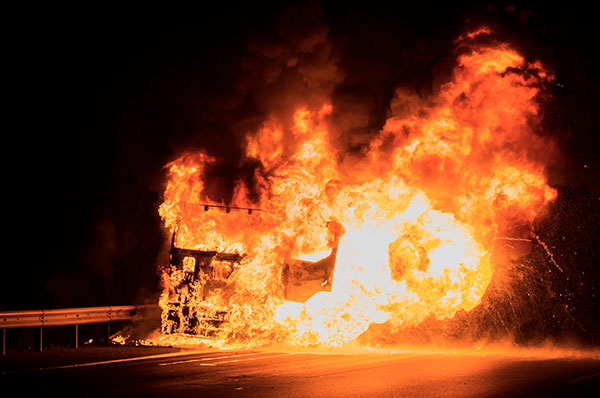
Responsible Care NZ has drawn attention to the spate of truck fires on key transport arteries, while questioning how the emergency services will deal with such incidents – especially car transporters carrying several EVs.
A burning truckload of chemicals on a major highway requires immediate expert response – not readily available in rural areas.
As we look to technology to deliver these ambitious Sustainability goals, it becomes clear we must rethink our vulnerable national transport network. The increase in severe weather events highlights the fragility of our ageing major road and rail corridors, often disrupted before previous repairs are ever completed.
The most advanced, eco-fuelled trucks and trains stopped by slips and washed-out bridges will struggle on sub-standard detours, extending delivery times, while putting drivers and cargoes at risk and denying communities essential supplies.
Many attempts to complete our roads of national importance have floundered due to the absence of a long-term political agreement for a multi-year construction strategy to provide a robust, world class road and rail network from North Port to Invercargill.
Proven examples like the Waikato Expressway and Wellington’s Transmission Gully reduce fuel consumption, expedites transit times and above all else, saves lives. A rolling national road and rail construction programme develops and retains professionals and expensive construction machinery, while minimizing escalating material costs through bulk purchasing. A robust transport network enables the efficient distribution of goods, allows rapid access by the emergency services and reduces the injuries burdening our health system.
Give us the strategy and resources and we will finish the job (with apologies to Winston Churchill).
FTD MAGAZINE | August – September ’23
DRIVING SUSTAINABLE DISTRIBUTION