
By Barry Dyer, chief executive RCNZ
If Covid taught us anything, it is to appreciate the vulnerability of our supply chains.
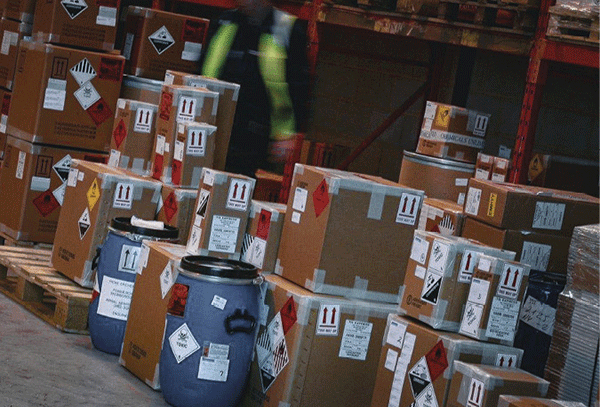
Despite the easing of Covid imposed global constraints, our logistics network remains susceptible to extreme weather events, fewer ship visits to congested ports and increasing skills shortages. Abandoning ‘just in time’ deliveries for stockpiling led to creative solutions (many illegal), as hazardous substances in well managed but overcrowded warehouses were dispersed to less safe indoor and outdoor facilities, often lacking secondary containment.
All chemicals are hazardous when misused in the nation’s workplaces. Managing bulk chemicals requires competent leaders and workers. Vulnerable and undermanned chemical storage facilities challenge PCBUs grappling to ensure the new employee is fit for purpose – both daunting and costly, especially for already struggling, resource-poor businesses.
The loss of experienced logistics workers to early retirement, competition and the lure of migration further disrupts operations, as new staff may not receive thorough ‘on the job’ training by overworked team leaders and mentors.
Credible training to operate safely in a high-risk workplace is critical. The extinction of the commendable, but often poorly delivered HSNO approved handler qualification, is proving costly for PCBUs needing to upskill workers with specialist chemical safety training, adding value for every business.
Constantly changing site inventories and operational circumstances and increasingly subjective (and often controversial) compliance interpretations, continue to frustrate PCBUs. Government agencies referring business operators to expensive consultants is common, as is some certifiers imposing self-serving, non-regulatory conditions before approving location certificates.
The regrettable policy of enforcement officers refusing to discuss compliance queries reinforces the business operator’s difficulty in ensuring they have an effective, comprehensive workplace chemical safety capability.
Enforcement agencies’ failure to recognise updated, robust, industry-developed, popular and previously enforceable approved HSNO codes of practice, remains a major obstacle to encouraging and enabling cost effective compliance with never ending, bewildering, inflexible and costly regulations.
Recent disasters in overseas bulk chemical transport and storage situations are a timely reminder of the inherent danger in failing to safely operate storage facilities containing bulk dangerous goods and hazardous substances.
The upcoming winter influenza and Covid ‘fifth wave’ could again deplete key staff at critical times.
Fortunately, solutions are available to proactive employers seeking accurate compliance advice and specialist training.
Credible, focused chemical safety training and supporting, user-friendly ‘compliance tools’ greatly simplify the requirement to ensure workers are competent to help safely manage your chemical inventory. Ideally, customers of major suppliers can obtain the basic chemical safety and compliance advice they seek, especially NZ compliant safety data sheets and product labels. To maintain safe working environments, specialist training in handling the more hazardous substances, as well as emergency preparedness, is required.
To help industry safely manage the chemical products we rely on for our quality of life and economic well-being, the chemical industry association Responsible Care NZ offers site compliance assessments and industry best practice solutions, especially the easy to use guide to the correct segregation of hazardous substances stored in accordance with our Globally Harmonized System for classifying and labelling of chemicals (GHS Version 7) in a user-friendly poster format, complementing our specialist chemical handler training.
Contact your chemical supplier or RCNZ for the accurate advice and guidance you need to safeguard your employees, customers and our fragile environment, from chemical-related misadventures.